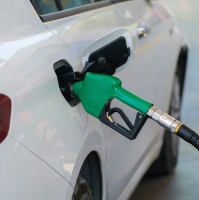
Let fuel prices rise and do their job
No fuel was available where I lived on the east side of Christchurch immediately after the 2011 earthquake. Power was out. Read more
Imagine a system in which those who understand it best see a problem developing – slowly, incrementally, case by case – but choose not to say so publicly. Not because they are forbidden to speak. Read more
So far this year, the government’s tobacco excise revenue is $164 million below forecast. If that pace continues, the annual shortfall will reach about $225 million. Read more
Alain Bertaud, former principal urban planner at the World Bank and guest of The New Zealand Initiative, talked to Kathryn Ryan on RNZ's Nine to Noon about what makes cities work. He argued that cities should be understood as large labour markets, and that affordable housing and good transport are essential foundations — warning that without them, everything people value about city life will collapse. Read more
There is something almost admirable about spending a fortune on roads, pipes, schools and hospitals without quite knowing what state any of them are in. Or, in some cases, where exactly they are. Read more
New Zealand has plenty of reasons for optimism. In a world gripped by anxiety, the country stands at the edge of several extraordinary opportunities. Read more
New Zealand’s Planning Bill is supposed to make housing affordable. For the first time, the law would require the planning system to create competitive land markets. Read more
Donald Trump promised the Iranian people their hour of freedom had arrived. Ten days later, the dead Supreme Leader’s son sits in his father’s chair, the Revolutionary Guard is still fighting, the Strait of Hormuz is closed, oil spiked above $100 a barrel and seven Americans are dead. Read more
After five years of stagnation, falling living standards and a cost-of-living crisis that ground down households and businesses, New Zealanders wanted nothing more than a return to normality: a bit of growth, stable prices and the relief of things finally getting better. At the start of 2026, it looked like that might be happening. Read more
Within a fortnight last month, Australia and New Zealand placed opposite bets on their economic futures. The Reserve Bank of Australia raised interest rates to 3.85 per cent. Read more
In this episode, Nick talks with Bryce about the government’s proposed replacement of the Resource Management Act and what it means for property rights. Bryce argues the bills fall short of the government’s stated commitment to property rights, lacking the economic disciplines needed to ensure regulation delivers net benefits for New Zealanders. Read more
While American and Israeli jets were bombing Tehran last Monday, French President Emmanuel Macron stood before nuclear submarines at the Île Longue naval base in Brittany. He announced that France would extend its nuclear umbrella across Europe. Read more
The world changed last week. The United States and Israel launched coordinated strikes on Iran, killing the Supreme Leader, sinking warships, and plunging the Middle East into its gravest crisis in decades. Read more
Democracy is easy to take for granted. For most of the last century, it has been advancing around the world. Read more
Anyone who has visited Sydney recently will have seen what asset recycling built. New metro lines that transformed commuter rail. Read more