2020 Annual Report
The year 2020 was one none of us will forget in a hurry. Lives were put on hold. Read more
You searched Publications for "" and got 266 results
The year 2020 was one none of us will forget in a hurry. Lives were put on hold. Read more
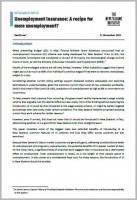
On 24 November, the Helen Clark Foundation and the New Zealand Institute of Economic Research released a joint report (the HCF&NZIER report) outlining an inclusive growth agenda for New Zealand. Its recommendation on the minimum wage is concerning and risks hurting the most vulnerable. Read more
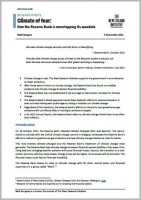
At the end of October, governor of the Reserve Bank Adrian Orr boldly asserted in a speech that climate change is “a key risk to global financial stability.” He made the case for urgent “transformation” as an “important, imminent, and personal” issue. Although the Reserve Bank Act does not mention climate change, the RBNZ is responsible for financial stability. Read more
Read our submission, written by Dr Bryce Wilkinson to Treasury and the Reserve Bank. This submission is in response to the third round of consultation on Phase 2 of the review of the Reserve Bank of New Zealand Act. Read more
New Zealand faces its worst recession in nearly a century. Unfortunately, the economic response to the challenges of Covid-19 leaves much to be desired. Read more
On August 8, Prime Minister Jacinda Ardern said the Government would consider loosening New Zealand’s border controls and strict visa regime. Ardern said the Government is “keen to get local businesses more access to essential skilled workers to help grow the economy and create opportunities for resident Kiwis.” The Government is right to be concerned about this issue. Read more
This report examines the strengths and weaknesses of New Zealand’s arrangements for prescription medicines. Central to them is the Pharmaceutical Management Agency, Pharmac, a Crown entity. Read more
Up to a million Kiwis live overseas with a right to return to New Zealand. While the country is now effectively free of Covid-19, with cases only in the country’s quarantine facilities, the pandemic rages abroad and is unlikely to abate anytime soon. Read more
The Government’s response to the economic challenges of Covid-19 has primarily focused on new spending which will balloon public debt from 19% of GDP in 2019 to 30% in 2020 and peak at nearly 54% of GDP by 2024. It is only expected to modestly fall to 42% of GDP by 2034. Read more
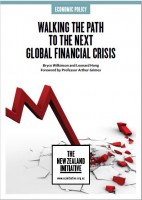
New Zealand is now on a dangerous path to higher public debt and unprecedented money printing with no credible plan for unwinding the situation before the next crisis, warns a new report by The New Zealand Initiative. Covid-19 and the various types of lockdown responses have caused many governments to go even more heavily into debt and print money to sustain asset prices with borrowed money. Read more