
Dr Oliver Hartwich on Prime Time with Sean Plunket

Dr Oliver Hartwich
4 September, 2014

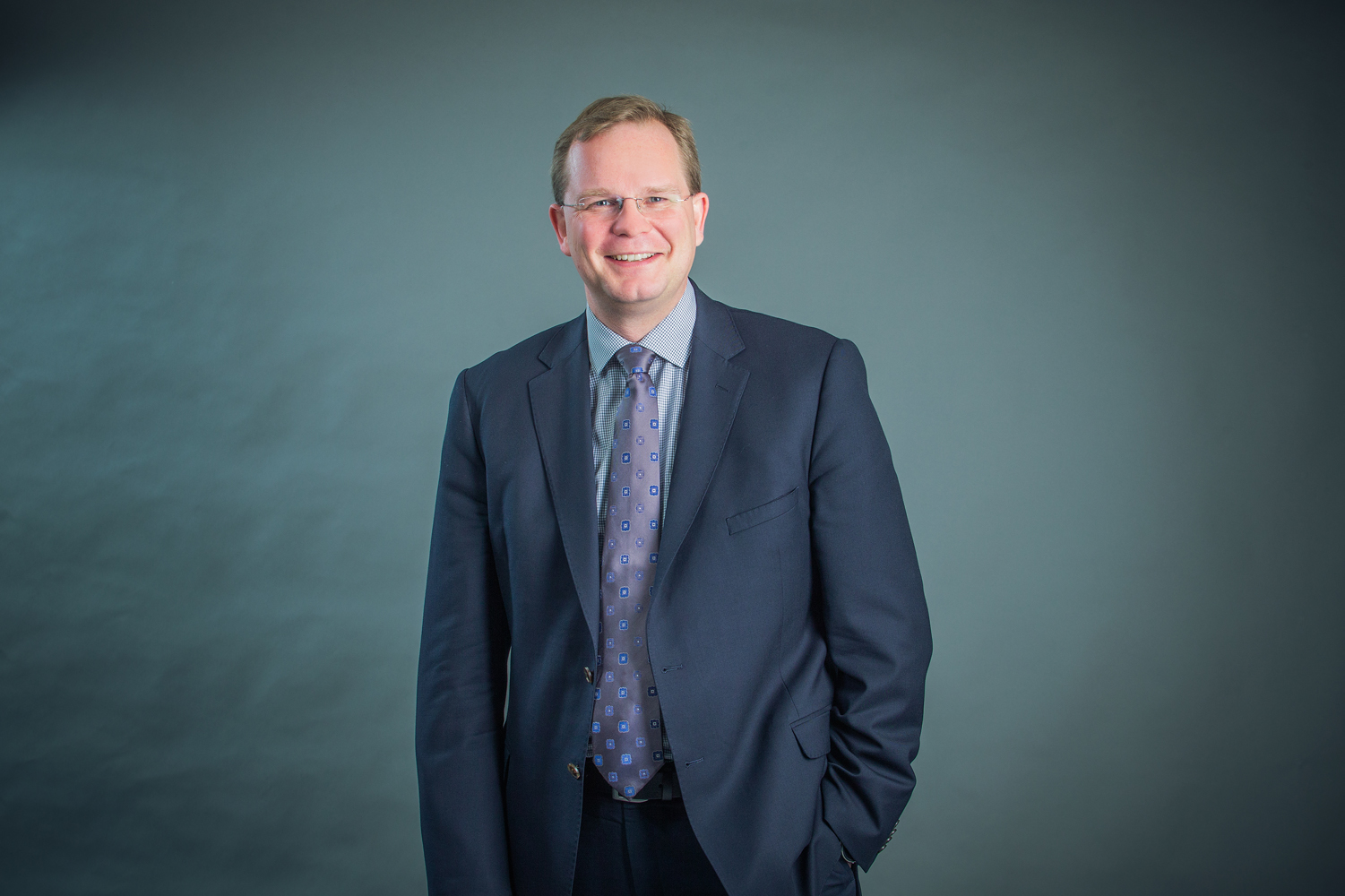
Oliver is the Executive Director of The New Zealand Initiative. Before joining the Initiative, he was a Research Fellow at the Centre for Independent Studies in Sydney, the Chief Economist at the Policy Exchange in London, and an advisor in the UK House of Lords.
Oliver holds a master's degree in economics and business administration and a PhD in Law from Bochum University in Germany.
Oliver is available to comment on all of the Initiative’s research areas.
Phone: +64 4 499 0790
Allegedly economics is the ‘dismal science’. Indeed, if you believe the wife of one of the economists in our team, you should avoid the company of economists like the plague. Read more
It is an utterly ironic situation for Europe. Every bit of bad news for its economies is good news for asset markets. Read more
Last week I wrote that the euro crisis was not over -- far from it (The calm before the eurozone storm, 14 August 2014). However, having just read the latest article by Wolfgang Münchau, a fellow eurozone commentator and Financial Times columnist, I have to agree with his suggestion that we should no longer call it the euro 'crisis'. Read more
It is a fine line between commemorating and glorifying wars. The centenary of World War I is a good opportunity to reflect what this war, and other wars, mean to us today. Read more
Roughly coinciding with the beginning of the financial crisis in 2008, anti-capitalism has enjoyed a global renaissance. The critics of capitalism may be quite diverse, but for many of them rising wealth and income inequality is a commonly shared concern. Read more
Two years ago, three words by the European Central Bank’s President Mario Draghi ended the panic around the euro crisis: “Whatever it takes”. When Draghi said these words at an event in London -- meaning that his institution was prepared to use unconventional (and potentially unlimited) ways to stabilise the euro system -- it halted the escalating crisis. Read more
Among the raft of data our researchers have compiled for New Zealand by Numbers, there are quite a few surprising facts about New Zealand. Most of us would be aware of the big trends facing this country: the changing face of our population, our increasing interaction with Asia, or the increasing importance of digital technology for the way in which we communicate and receive our news. Read more
At first glance, the following two news stories may seem like they have nothing to do with each other except that they happened over the past few days. On Monday, the International Monetary Fund once again admonished Germany for being too competitive, as demonstrated by its enormous current account surplus. Read more
Perhaps it is a sign that I am getting old(er) but I am just astonished by the speed of technological progress. The most recent example is a memory card I ordered for my new smartphone. Read more
Later this month, at a conference organised by a global asset management firm, I will be participating in a debate on the moot that investment markets are driven by factors other than financial fundamentals. So far, all I know is that I will be arguing the case for the affirmative. Read more
For the Germans, July 8 was a good day. Not just because it also happened to be your columnist’s birthday or because of Germany’s emphatic 7-1 win over Brazil in the World Cup, but because this year, it also marked Germany’s Tax Freedom Day. Read more
Last week, I wrote about Angela Merkel’s declining influence in Europe. For a number of domestic and international reasons, the German Chancellor can no longer enforce austerity and economic reforms in the eurozone. Read more
For the past four years, German Chancellor Angela Merkel has topped Forbes’ list of most powerful women. She was actually ranked first on that list for nine out of the last ten years, not least thanks to her pivotal role in the European debt crisis. Read more
In today’s society, you would be hard-pressed to find anyone to object to human rights. Even the nastiest dictatorships still try to maintain at least the semblance of a human rights culture, even if they violate these rights constantly. Read more