Faith-based asset management
There is something almost admirable about spending a fortune on roads, pipes, schools and hospitals without quite knowing what state any of them are in. Or, in some cases, where exactly they are. Read more
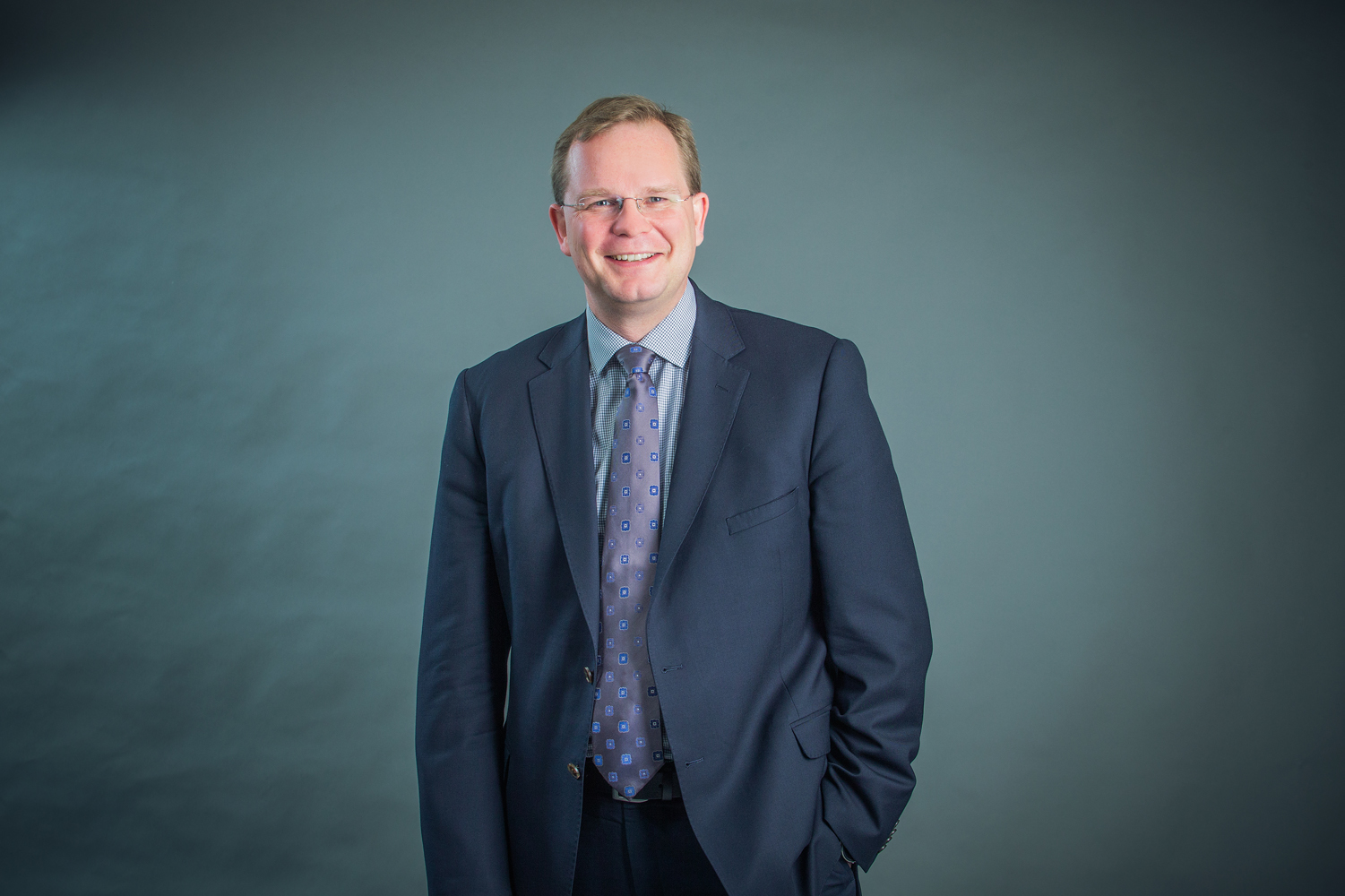
Oliver is the Executive Director of The New Zealand Initiative. Before joining the Initiative, he was a Research Fellow at the Centre for Independent Studies in Sydney, the Chief Economist at the Policy Exchange in London, and an advisor in the UK House of Lords.
Oliver holds a master's degree in economics and business administration and a PhD in Law from Bochum University in Germany.
Oliver is available to comment on all of the Initiative’s research areas.
Phone: +64 4 499 0790
There is something almost admirable about spending a fortune on roads, pipes, schools and hospitals without quite knowing what state any of them are in. Or, in some cases, where exactly they are. Read more
After five years of stagnation, falling living standards and a cost-of-living crisis that ground down households and businesses, New Zealanders wanted nothing more than a return to normality: a bit of growth, stable prices and the relief of things finally getting better. At the start of 2026, it looked like that might be happening. Read more
Within a fortnight last month, Australia and New Zealand placed opposite bets on their economic futures. The Reserve Bank of Australia raised interest rates to 3.85 per cent. Read more
While American and Israeli jets were bombing Tehran last Monday, French President Emmanuel Macron stood before nuclear submarines at the Île Longue naval base in Brittany. He announced that France would extend its nuclear umbrella across Europe. Read more
Dr Oliver Hartwich argued at the Portfolio Construction Forum's Markets Summit 2026 in Sydney that the erosion of the rules-based world order — driven by cognitive decline, political tribalism, and the rise of "institutional theatre" — demands a fundamental rethink of how investment professionals assess risk. Dr Hartwich introduced the concept of "Enlightenment Islands" — stable, high-trust jurisdictions such as Singapore, Switzerland, and the Scandinavian countries — and urged portfolio managers to supplement traditional financial metrics with civilisational indicators like PISA scores, rule of law indices, and trust barometers. Read more
In this episode, Oliver talks to retired Major General John Howard about the first week of US–Israel strikes on Iran — what the opening strikes reveal, how Iran is responding, and why the risk of escalation remains real. They then zoom out to the global ripple effects (Russia and Ukraine, China and Taiwan, NATO cohesion) and the practical consequences for New Zealand, from fuel and supply-chain disruption to the need for more proactive national security planning. Read more
In early 2004, I wrote a letter to a man I had never met. I was a German doctoral graduate planning to move to London, struggling to find work. Read more
This webinar launches Renovating the Nation: How Asset Recycling Can Help Solve the Infrastructure Deficit, a report by Roger Partridge arguing New Zealand can fund new infrastructure by recycling Crown-owned commercial assets the government does not need to own. Hosted by Dr Oliver Hartwich and featuring Fran O’Sullivan and Fraser Whineray (former CEO of Mercury), the discussion unpacks the New South Wales model and why New Zealand’s past asset sales failed to build trust. Read more
In this episode, Oliver talks to Roger Partridge about his new report, Renovating the Nation, which proposes selling around $25 billion worth of government-owned commercial assets and reinvesting the proceeds into critical public infrastructure. Drawing on the success of New South Wales's asset recycling programme, Roger argues the Crown has too much capital tied up in businesses it doesn't need to own, and that ring-fencing sale proceeds in an independently governed fund could deliver the roads, hospitals, and public transport New Zealand desperately needs. Read more
In August 2025, Dr Oliver Hartwich delivered the inaugural Da Vinci Lecture at the Portfolio Construction Forum Strategies Summit, an essay called Leonardo’s Legacy. That lecture attempted something ambitious – to trace the civilisational architecture that connected the Renaissance humanists to our present moment, and to explain how that structure was failing us. Read more
In this episode, Oliver talks to retired Major General John Howard about escalating US–Iran tensions, what 'phase zero' military build-up signals, and the pathways from diplomacy to potential strikes. With New Zealand holding, as Howard notes, around 14 days of fuel reserves, they explain why disruption in the Strait of Hormuz matters, and why energy security and national resilience deserve far greater urgency. Read more
European integration has always been a tug of war. On one side stand the enthusiasts. Read more
If this is the first you have heard of ‘social justice day,’ do not feel bad. Few people have heard of it, despite it having featured on the United Nations’ calendar for nearly two decades. Read more
In this episode, Oliver Hartwich speaks with retired Major General John Howard, whose 40-year military career included a senior executive role at the US Defense Intelligence Agency. Howard explains New Zealand is strategically underprepared for a more contested world, lacking clear national security and intelligence strategies, modern capability and sustained investment to protect a trading nation's interests. Read more
Dr Oliver Hartwich talked to Damien Grant on Different Matters about whether Donald Trump is driving the decline of the liberal rules-based order or is merely a symptom of deeper geopolitical shifts, drawing parallels between Trump and Kaiser Wilhelm II as leaders whose recklessness and disregard for the systems they found set the stage for crisis. The discussion also covered the corruption they both see as a systemic risk to American democracy and its institutions, what the erosion of the rules-based order means for small trading nations like New Zealand, and why the trust being destroyed — both domestically and internationally — could take decades to rebuild. Read more